

The Original Noah's Tzohar
Noah's Tzohar And Ancient Asia
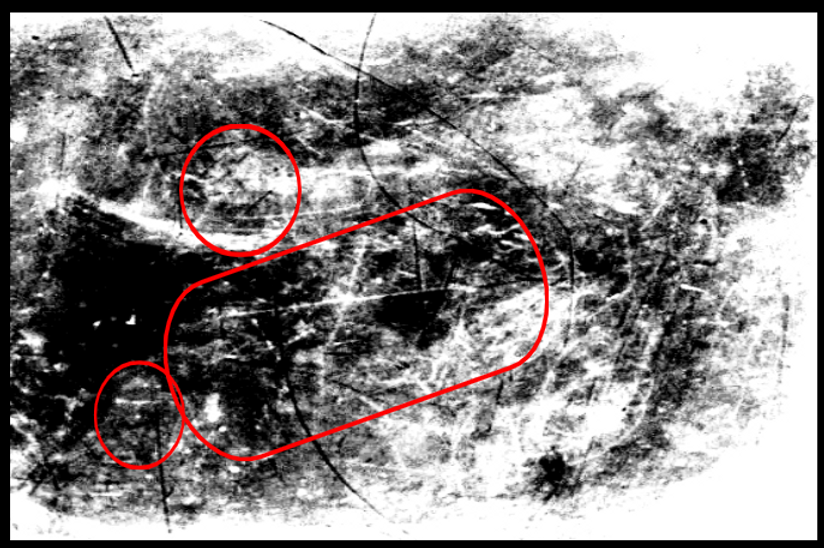
It is well documented that China and several regions across Asia have been engaged in gold mining for thousands of years, producing vast quantities of the precious metal throughout antiquity. Historical records also indicate that several Chinese Emperors and influential Leaders across Asia maintained far-reaching political and economic relationships with other powerful rulers of their time. Research shows that some of these rulers were participants in a vast alliance of more than 1,000 Kings and World Leaders who were historically associated with the stewardship and custodianship of the Tzohar prior to its sole acquisition in the late 1500s AD. One of the ancient engravings found on Noah’s Tzohar as seen below provide irrefutable evidence that China played a significant and active role within this alliance, contributing both manpower and gold resources.
The location shown in the image below has been identified as part of the Grand Canyon in Arizona, United States of America. At first glance the landscape appears entirely natural and undeveloped, however at a closer examination with the comparative ancient hidden engravings recorded on the reverse side of Noah’s Tzohar suggests a much more complex historical find. According to these ancient engravings, Chinese expeditions and groups from other parts of Asia are depicted as having traveled through the Grand Canyon thousands of years ago. Their recorded task, as interpreted from the imagery on the Tzohar, was to carve and replicate the hidden engravings preserved on the Tzohar directly onto the walls and surrounding terrain of the Grand Canyon. These engravings were not meant to be obvious at ground level; instead, they were designed to be concealed within the natural landscape and only recognizable from elevated aerial views, thus effectively hiding their gold reserves in plain sight, and only those having the mark of the Beast "666" were able to gain access to trade, just as it was stated in the Holy Bible.

The craftsmanship portrayed in these engravings suggests a highly organized and coordinated effort carried out under the commission of this alliance of rulers. The purpose of these monumental landscape engravings, according to the interpretation of the Tzohar imagery, was tied to the safeguarding of substantial gold reserves strategically concealed both within and above the Grand Canyon.
One particular engraving taken from the back of Noah’s Tzohar depicts a long line of men, each seen carrying what appears to be a rectangular gold bar as they walk toward this location what appears to be in the Grand Canyon.
This visual record coupled together along with the existence of these ancient engravings affixed on the surface areas of the Grand Canyon show a deliberate placement form of activity within the Grand Canyon by these organized groups.
Based on these depictions and related historical patterns of gold production in Asia, it is believed that China and several neighboring Asian civilizations played a significant role in transporting and depositing substantial quantities of gold reserves both here and in distant regions of the world as part of a broader coordinated system established by this ancient alliance.